Summary
Video games always have to balance between guiding players on where to go and making the gamer feel like they have discovered the path themselves through patience and observation. Some games hold the player’s hand tighter than others, while a select few are purposefully obtuse.
Open-world games similarly struggle with not making everything the player does feel like a checklist. The games below force players to be active participants in the open world, presenting the sandbox but not giving too much direction. Instead, players use their wits, eyes, and ears to make it through. It ultimately makes the game a more rewarding and immersive experience.

Players see a spot they want to reach inTears of the Kingdom,and the next question is: how will they get there? There are always multiple ways to go about it. Then,the shrines scattered throughout Hyruleserve as puzzles players have to solve or a showcase for what the game’s physics are capable of, and even these often have multiple solutions.
The best part about all of this is trading stories with friends about how they solved the same problems or reached the same mountaintop through a vastly different method.

Most missions inThe Phantom Painfollow a similar structure: infiltrate the enemy base, complete the objective, and then get out. Not only are there multiple ways to infiltrate a base, but players are also tasked with scouting the area beforehand to get an idea of how many enemies there are and what their patrol routes look like.
Players usually have the option to go in like a 1980s action hero, but it is infinitely more satisfying to take one’s time,sneaking in and doing the job without getting spotted.

Kingdom Come: Deliverancetakes a lot of cues from other Westernopen-world RPGs, but is set in a real-world historical location and takes many of the mechanics to their extremes. The player character starts uniquely weak, really forcing players to work for every victory and making every piece of equipment and stat progression count.
There are no magic shouts to learn to give players the upper hand and the protagonist is far from being a chosen one destined to save the world. The odds are against players from the start, and only time, an understanding of the mechanics, and learning from failure will prevail.

Ghost of Tsushimarides the line between a typical open-world adventure and something closer toBreath of the Wild. Yes, most of what needs to be done is boiled down to checklists, but it is given to players in unique ways that utilize the art and game world to great effect. The winds literally direct players on where to go.
When it comes to combat,players can utilize a combination of stealth and confrontation to claim victory. The choice is ultimately up to the player, but it is fun to sneak around bigger areas and patiently wait for enemies to be on their own before initiating a stealth takedown.

Shadow of the Colossusisalmost like an anti-open-world gameat times. Its map is full of vast, open spaces devoid of life except for some small animals. Players can look around as much as they want, but they will not find a lot to do. This is all a part of the story and atmosphere the game seeks to create. It’s not for everybody, but the patience and slow burn is ultimately rewarded by a tragic story.
Once players encounter the titular Colossi and engage them in combat, they will then have to put their thinking caps on. Climbing up each beast is like a small puzzle where players look to see where they might be able to get a grip on the Colossus, and where its weak points are located.
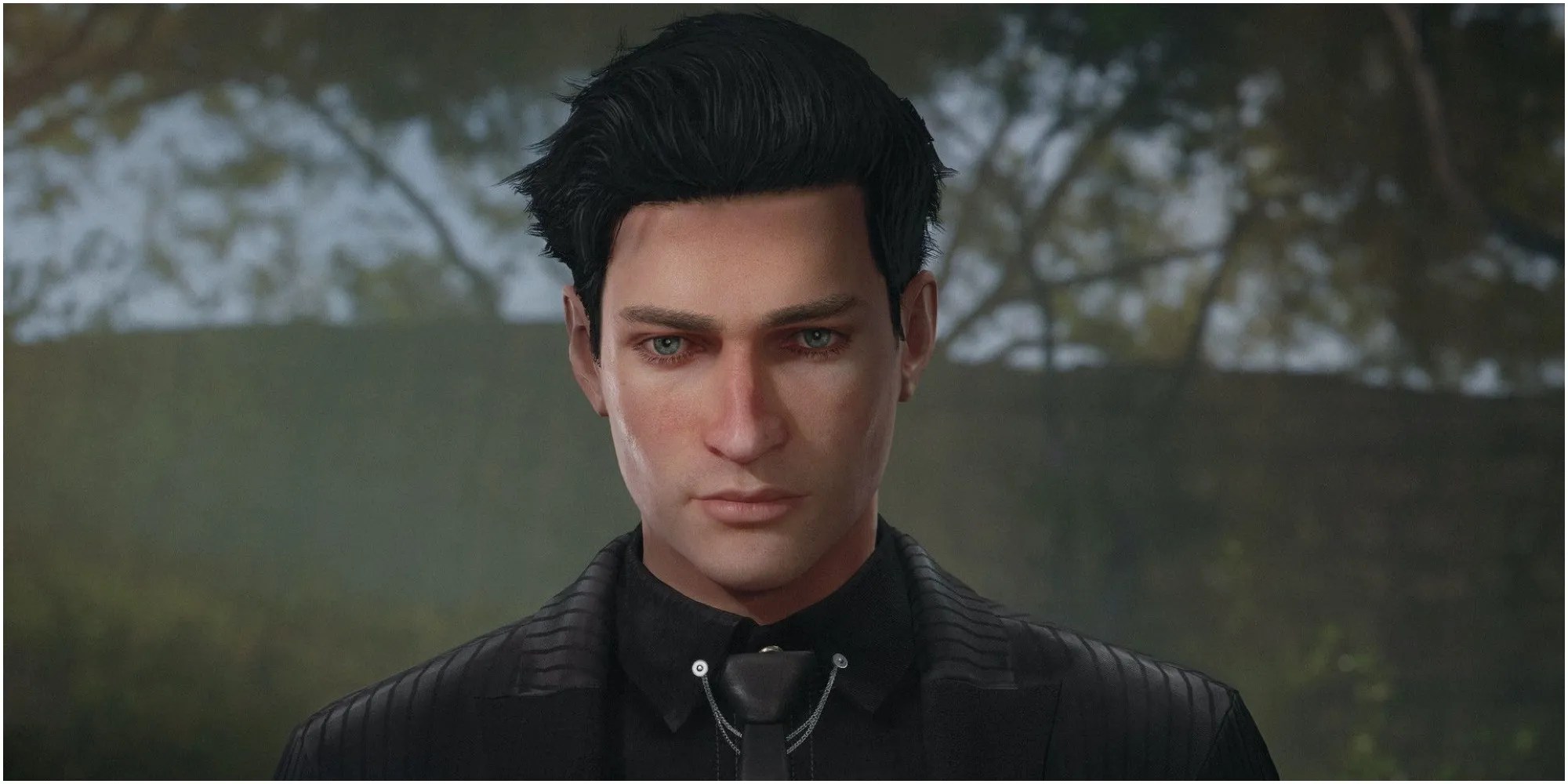
After developingThe Sinking City, developer Frogwares returned toSherlock Holmesto crafta more traditional detective adventure gameset on an open-world Mediterranean island. This game is a prequel and details the iconic detective’s early years. Despite being an open world, players should not expect all the tropes typically seen from the genre.
Sherlock Holmes: Chapter Oneis still all about detective work. As such, the slow pace and singular focus will be an attraction for fans as much as it will be a barrier to entry for newcomers.

AfterBraid, Jonathan Blow and his team came up with an even more ambitious and audacious puzzle game:The Witness.It is set on an island that is filled with numerous line puzzles that are solved through meeting certain conditions. As if that is not esoteric enough, the game does not help the player with dialogue boxes or hints at all. Players must learn through solving puzzles.
Most of the time, players might have to get out paper and pencil to help them figure it all out. There is also not much of a plot to speak of, though players can still find audio logs and even see part of an old Andrei Tarkovsky film. It is all about the satisfaction of exploration and solving puzzles.

Shenmueis a slow, meditative experience by design.Observation and patience are the only way to go through the game. The very beginning, as rudimentary as it is by today’s standards, demonstrates this. Players have to talk to various strangers on the street for clues and eventually pick up a lead without the help of quest markers or objective hints.
Throughout the whole game (and the two games that follow), players still have to talk to people for directions and additional bits of information. The first fight in the debut entry does not even occur until a few hours into the adventure, and all subsequent combat encounters are few and far between.
